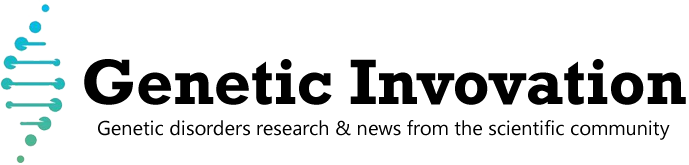

CRISPR-Cas9 is a genome-editing system that uses a guide RNA to direct the Cas9 nuclease to a specific DNA sequence, where it creates a double-strand break that the cell then repairs, allowing researchers to disrupt, correct, or insert genetic material at a chosen site. Adapted from a bacterial immune defense, the system pairs programmable targeting with a single, reusable enzyme, which is why it displaced earlier tools such as zinc-finger nucleases and TALENs in most laboratories.
For researchers, clinicians, and stakeholders across genomics, the technology matters because it shortens the path from a genetic hypothesis to a testable intervention. The first human CRISPR gene-editing trial was approved in 2016, and the field has since moved from proof of concept toward a maturing therapeutic pipeline. Industry developers continue to report on their programs, as CRISPR Therapeutics did with its pipeline update on January 12, 2026.
The regulatory context is also shifting. The FDA has seen leadership changes, senior staff turnover, and significant staffing reductions in 2026, while introducing initiatives intended to add flexibility for rare disease development and broaden expedited review pathways. Progress in this area depends on collaboration among bench scientists, clinicians, regulators, and ethicists.
This article explains how CRISPR-Cas9 works, outlines its core components and major variants, and examines where it is applied, with attention to healthcare and the ethical questions that accompany the work.
What CRISPR-Cas9 Gene Editing Means
CRISPR-Cas9 gene editing is a programmable system for making targeted changes to DNA. It pairs a nuclease, an enzyme that cuts DNA, with a short RNA molecule that tells the enzyme exactly where to cut. The result is a tool that can disrupt, correct, or modify a chosen genetic sequence in cells from many organisms.
The system was not invented from scratch. It was adapted from a bacterial adaptive immune mechanism. Bacteria store fragments of viral DNA in their own genomes and later use those records to recognize and cut matching sequences if the same virus returns. Researchers recognized that this recognition-and-cut logic could be redirected: by supplying a different guide sequence, the same enzyme could be pointed at a different genomic target. That insight turned a microbial defense system into a general-purpose research and therapeutic platform.
A few terms recur throughout this field, so it helps to define them up front:
- CRISPR
- Short for clustered regularly interspaced short palindromic repeats, the bacterial DNA arrays that store sequence records of past viral encounters.
- Cas9
- The CRISPR-associated nuclease that cuts DNA once it has been directed to a target.
- Guide RNA
- An engineered RNA molecule whose sequence matches the intended DNA target and directs Cas9 to it.
- Protospacer adjacent motif (PAM)
- A short DNA sequence next to the target that Cas9 must recognize before it can cut.
- Double-strand break
- A cut through both strands of the DNA helix, which the cell then repairs, creating the opportunity for editing.
- Genome editing
- The deliberate alteration of an organism’s DNA sequence at a specific location.
Genome editing existed before CRISPR. Zinc-finger nucleases and TALENs also cut DNA at chosen sites, but each new target required engineering a custom protein, which was slow and technically demanding. With CRISPR-Cas9, retargeting mostly means changing the guide RNA sequence, a far simpler step. That programmability, along with faster experimental turnaround and lower technical barriers, drove its rapid adoption across laboratories.
The move from bench to clinic was also quick. The first human trial in 2016 marked the point at which CRISPR gene editing entered clinical investigation, anchoring a translational timeline that researchers, clinicians, and regulators continue to build on together.
How CRISPR-Cas9 Works: From Guide RNA to a Repaired Gene
Targeting and cutting the DNA
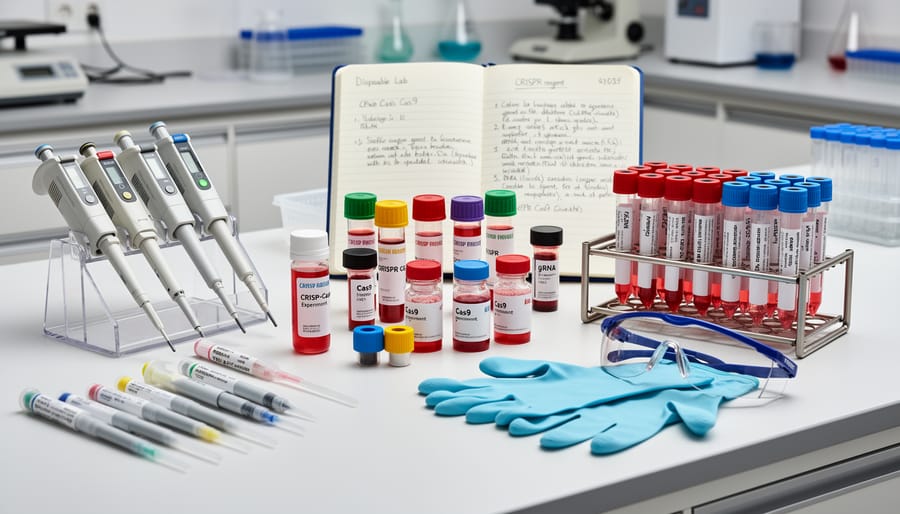
Cas9 does not search the genome blindly. It first pairs with a guide RNA, a short molecule whose roughly 20-nucleotide spacer matches the intended target. This pairing forms a ribonucleoprotein complex, and it is the starting point of the broader CRISPR gene editing mechanism.
Once assembled, the complex surveys DNA, and the protospacer adjacent motif (PAM) governs that survey. For the commonly used Streptococcus pyogenes Cas9, the PAM is a short NGG sequence located immediately beside the target. Cas9 recognizes the PAM first, and only then does it begin to unwind the neighboring DNA. If the guide’s sequence complements the exposed strand, the RNA-DNA hybrid extends along the target and locks the complex in place.
Full pairing triggers a conformational change that activates Cas9’s two nuclease domains, HNH and RuvC. Each domain cuts one DNA strand, typically about three base pairs upstream of the PAM, producing a blunt double-strand break. The PAM requirement also explains a practical design constraint: researchers can only target sites that sit next to a suitable PAM.
Cellular repair pathways and editing outcomes
Once Cas9 creates a double-strand break, the cell’s own repair machinery determines the editing outcome. Two major pathways compete to resolve the lesion, and their differences shape how a therapeutic strategy is designed.
Non-homologous end joining (NHEJ) is the dominant and faster route. It ligates the broken ends directly, often without a template, and frequently introduces small insertions or deletions (indels) at the cut site. When these indels fall within a coding sequence, they can shift the reading frame and disrupt gene function. This makes NHEJ well suited to gene knockout applications, where loss of function is the goal.
Homology-directed repair (HDR) instead uses a donor template with sequences homologous to the break site, allowing precise correction or insertion. Its utility is constrained, however. HDR is most active in dividing cells and typically occurs at lower frequency than NHEJ, and it requires co-delivery of a repair template.
For translational teams, this balance matters: the intended outcome, whether disruption or correction, guides the choice of cell type, delivery format, and template design.
Specificity and off-target considerations
Off-target editing is a central scientific and safety question because Cas9 can sometimes cleave genomic sites that resemble, but are not identical to, the intended target. Guide RNAs tolerate certain mismatches, so an unintended cut may disrupt a gene or regulatory region in a way that matters clinically, particularly in therapeutic settings where edited cells persist for years.
Researchers address this at several levels. Careful guide RNA design, supported by computational prediction tools, helps select sequences with fewer near-matches elsewhere in the genome. Engineered high-fidelity Cas9 variants and transient delivery formats, such as ribonucleoprotein complexes, reduce how long the nuclease remains active. To assess outcomes, teams combine in silico prediction with unbiased, genome-wide experimental detection methods and deep sequencing of candidate sites. No single method captures every event, so layered assessment and long-term monitoring remain essential.
The CRISPR Toolkit: Components and Editing Approaches
Core molecular components
Every CRISPR-Cas9 experiment rests on three elements: a nuclease, a guide, and a way to get both into the target cells.
The Cas9 protein, most often derived from Streptococcus pyogenes, is the enzyme that cuts DNA. It carries two nuclease domains, one for each strand of the double helix, and it requires a PAM sequence next to the target before it will cleave. Different Cas9 orthologs recognize different PAMs and vary in size, which matters when a construct has to fit inside a delivery vehicle.
The single guide RNA fuses the two natural RNA components into one molecule. Its spacer region, roughly twenty nucleotides long, pairs with the genomic target, so redesigning the guide is how researchers redirect the system. Guide design is also where much of the work on specificity happens, since the choice of sequence influences how selectively Cas9 acts.
Delivery is often the hardest practical constraint. Viral vectors such as adeno-associated virus can transduce many cell types efficiently, but their limited packaging capacity strains the large Cas9 gene, and prolonged expression may increase off-target risk. Lipid nanoparticles and electroporation can deliver Cas9 as mRNA or as a preassembled ribonucleoprotein complex. These formats act transiently, which many teams prefer, though tissue targeting remains a challenge.
Choosing among these options means weighing efficiency, duration of activity, cargo size, and the cell type involved, and those decisions are best made jointly by molecular biologists, delivery scientists, and clinicians.
Beyond the standard nuclease: base editing, prime editing, and regulatory tools
Standard Cas9 works by cutting both strands of DNA, but that break is not always desirable. Cells can repair it unpredictably, which has motivated a family of tools that edit or regulate genes with a gentler touch, built on the same guide RNA targeting logic.
Base editors fuse a modified Cas9, one that nicks a single strand or no longer cuts at all, to an enzyme that chemically converts one DNA base into another. This allows single-letter changes at a defined site without relying on a double-strand break. Conceptually, they suit corrections of point mutations, though editing windows and unintended nearby changes remain active areas of study.
Prime editors extend this idea. A modified Cas9 is paired with a reverse transcriptase and an engineered guide that carries both the target address and a template for the desired edit. The cell’s machinery then writes the new sequence directly into the nicked strand. This broadens the range of possible changes, including small insertions and deletions, while still avoiding a full break.
Regulatory tools, often called CRISPR interference and activation, go a step further by leaving the DNA sequence untouched. A catalytically inactive Cas9 is tethered to repressor or activator domains, turning gene expression down or up. Because the effect can be reversible, these approaches are especially valuable for functional genomics and for probing how expression changes drive disease.
Each platform occupies a different niche, and choosing among them depends on the biological question and the oversight a given application demands.
How CRISPR Gene Editing Is Used in Research and Medicine
Research applications and disease modeling
Researchers use CRISPR-Cas9 to ask a basic question: which genes actually contribute to a disease, and how? Pooled functional genomics screens knock out or modulate thousands of genes in parallel, then read out which perturbations change cell survival, drug response, or another phenotype. This turns a long list of candidate genes into a ranked set worth following up.
Model systems carry that work further. Engineered cell lines and patient-derived cells let teams introduce or correct a specific variant and watch its cellular consequences. Organoids add tissue-like architecture, while model organisms such as mice and zebrafish show how a mutation affects development and physiology across a whole animal.
These tools also sharpen interpretation. Variants of uncertain significance are a persistent obstacle when clinicians try to diagnose genetic diseases and experimental editing can test whether a given change disrupts function. That evidence helps connect bench findings to clinical questions, and it underpins the broader translational effort around CRISPR in humans. Progress here depends on close collaboration between laboratory scientists and clinicians.
Therapeutic strategies: ex vivo and in vivo editing
Therapeutic genome editing generally follows one of two delivery strategies, and the choice shapes nearly every downstream decision about manufacturing, safety assessment, and regulatory review.
In ex vivo editing, cells are removed from the patient, modified in the laboratory, and returned after quality checks. Hematopoietic stem cells are a common example, since they can be collected, edited, and reinfused. Because editing takes place in a controlled setting, developers can use methods such as electroporation to introduce the Cas9 complex, then characterize the edited population before it reaches the patient. This allows direct assessment of editing efficiency and off-target activity at the release stage. The trade-offs are practical: the process is individualized and resource-intensive, and it typically requires specialized clinical infrastructure and, often, conditioning of the patient before reinfusion.
In vivo editing delivers the editing components directly into the patient, which makes delivery the central scientific question. Vehicles such as lipid nanoparticles and viral vectors must reach the intended tissue, while limiting exposure elsewhere. Once administered, the edit cannot be examined cell by cell beforehand, so oversight places greater weight on preclinical biodistribution data, careful dose selection, and long-term follow-up. The potential advantage is access to tissues that cannot easily be removed and returned, and a less customized manufacturing pathway.
Neither strategy is inherently superior. The appropriate choice depends on the target tissue, the condition, and the available delivery technology. Both approaches also raise questions about durability, monitoring, and consent that regulators and clinical teams must address together. Because the FDA has introduced initiatives aimed at greater flexibility for rare disease development, developers and clinicians will need to follow how these frameworks apply to each delivery route, and to confirm details against primary regulatory sources.
The 2026 Regulatory and Industry Landscape

The regulatory environment surrounding gene editing is shifting in ways that developers, clinicians, and research partners should track closely. In the first six months of 2026, the FDA approved 23 novel drugs, with approvals spanning oncology, rare diseases, endocrinology, and metabolic disorders. That breadth shows the agency continues to clear new therapies across multiple fields, including areas where genetic medicine is most actively pursued. For a broader view of how these developments connect to the field, see this gene therapy 2026 update.
The agency itself has been in motion. Since January 2026, the FDA has seen multiple leadership changes, including the resignation of commissioner Marty Makary. There has also been turnover among senior officials at CDER and CBER, the centers that oversee drug and biologic review, along with significant staffing reductions. Alongside these changes, the FDA has introduced new regulatory initiatives aimed at increasing flexibility for rare disease development and expanding the use of expedited review pathways.
Rare diseases matter here because many of the earliest CRISPR-based programs target inherited conditions with small patient populations. Greater flexibility in how such programs are developed and reviewed could, in principle, influence how sponsors design studies and engage with regulators. The first CRISPR gene-editing trial in humans was approved in 2016, so the field has now spent roughly a decade moving from early clinical testing toward a more mature translational pipeline.
On the industry side, CRISPR Therapeutics issued a pipeline update on January 12, 2026, a reminder that companies continue to communicate program progress on a regular cadence.
What these shifts mean in practice is not yet clear. Leadership turnover and reduced staffing may affect how review teams operate, while the new rare disease and expedited-review initiatives may open different routes to development. It would be premature to infer specific outcomes, timelines, or approvals from any of these changes. For gene-editing developers, academic investigators, and clinical collaborators, the practical takeaway is to monitor primary FDA communications and company disclosures directly, and to build regulatory engagement into program planning early. Close coordination across research, clinical, and regulatory teams will remain essential as the landscape continues to evolve.
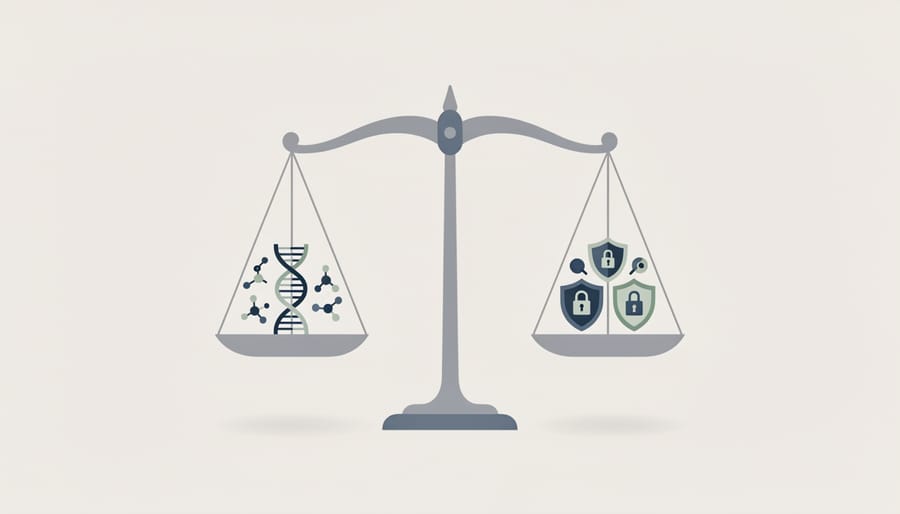
Ethical, Safety, and Access Considerations
The ethics of CRISPR-Cas9 editing begin with a distinction that shapes nearly every governance decision: somatic versus germline editing. Somatic edits affect only the treated individual and are not inherited, which is why current clinical work is concentrated there. Germline edits alter embryos or reproductive cells and would pass to future generations, raising questions of consent, long-term consequences, and societal acceptability that remain unresolved and widely debated.
Consent in this field is rarely a single event. Patients enrolling in early-stage trials need clear explanations of what is known and unknown, particularly about off-target effects and durability of benefit. Because edited cells can persist for years, long-term follow-up is a scientific and ethical obligation, not an optional extra. Sponsors and clinical teams should plan for it from the outset, including how participants will be supported over time.
Access deserves equal attention. Therapies built on gene editing are complex to develop and deliver, and while specific pricing details should be confirmed against primary sources, the broader concern is clear: if only well-resourced health systems can offer these treatments, existing disparities may widen. Funders, developers, and payers all share responsibility for considering affordability and delivery infrastructure early.
Governance is changing as well. Since January 2026, the FDA has seen leadership changes, senior staff turnover, and significant staffing reductions, alongside new initiatives to expand flexibility for rare disease development and expedited review pathways. Faster pathways heighten the need for transparent oversight and robust post-approval monitoring. No single group can manage these tensions alone. Researchers, clinicians, ethicists, regulators, patient communities, and funders each hold part of the picture, and sustained, open dialogue among them is what keeps the field’s progress both credible and responsible.
CRISPR-Cas9 gives researchers a programmable way to edit DNA. A guide RNA directs the Cas9 nuclease to a matching sequence next to a PAM, the resulting break is resolved through cellular repair, and the outcome is either gene disruption or a more precise correction. Base editing, prime editing, and regulatory tools extend that targeting logic well beyond the standard cut, while the first human trial, approved in 2016, marked the start of a translational path that continues today.
Technical capability alone doesn’t decide whether this work succeeds. Specificity, delivery, long-term follow-up, and fair access all shape whether an edit becomes a dependable therapy. The regulatory environment is also shifting. The FDA approved 23 novel drugs in the first half of 2026 even as it navigated leadership changes and staffing reductions, and new initiatives aim to give rare disease development more flexibility. What that means for any individual program remains to be seen.
Progress here has always been collaborative, drawing on molecular biologists, clinicians, ethicists, regulators, and funders working together. If you work in genetic science, we invite you to engage with that community: share your questions, test assumptions openly, and consider partnering on projects that move safe, accessible genomic medicine forward.