Selecting a warehouse for rent midrand requires evaluating specialized environmental controls that standard industrial facilities cannot provide. Biotech operations demand validated HVAC systems maintaining temperature stability within ±2°C, humidity controls between 30-50% RH, and ISO-classified cleanroom environments for handling biological materials and pharmaceutical compounds. These infrastructure requirements significantly differentiate biotech warehousing from conventional storage solutions.
Prioritize facilities offering uninterrupted power supply systems with backup generators and redundant cooling infrastructure. Biological samples, cell cultures, and temperature-sensitive reagents face irreversible degradation during power interruptions. Verify that prospective locations provide documented uptime records exceeding 99.9% and emergency response protocols meeting Good Manufacturing Practice (GMP) standards. Many organizations converting genomics lab space in Midrand discover that retrofitting existing warehouses proves more cost-effective than purpose-built construction when appropriate base infrastructure exists.
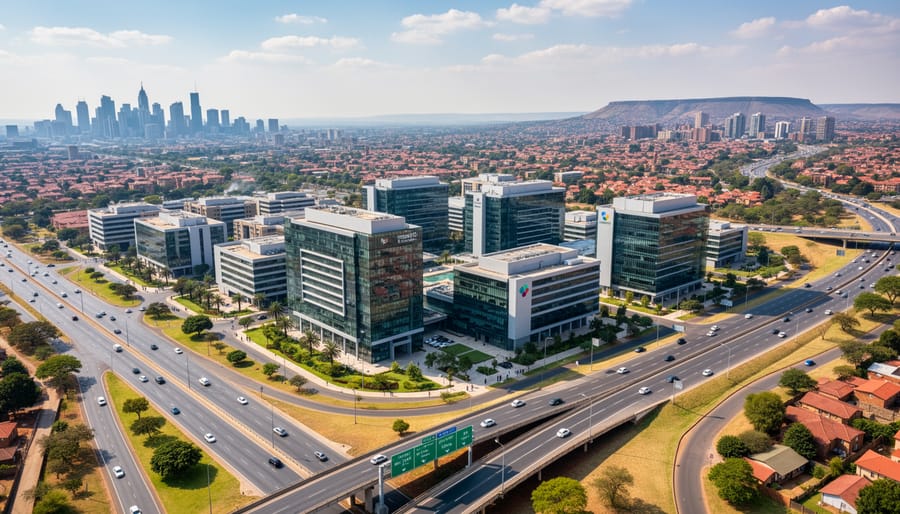
Midrand’s strategic position along the Gauteng innovation corridor provides biotech enterprises with proximity to research institutions, healthcare networks, and pharmaceutical supply chains. The region offers competitive rental rates compared to Johannesburg’s central business district while maintaining accessibility to OR Tambo International Airport for time-sensitive biological shipments requiring cold-chain logistics.
Compliance infrastructure represents another critical evaluation criterion. Biotech warehouses must accommodate biosafety level requirements, waste management systems for biohazardous materials, and secure access controls satisfying regulatory audits from the South African Health Products Regulatory Authority. Request documentation demonstrating previous tenant compliance with pharmaceutical storage regulations and environmental monitoring capabilities.
Budget allocation should account for specialized fit-out costs beyond base rental rates. Installing laboratory-grade benching, fume extraction systems, and validated cold storage typically requires 40-60% of annual lease value as initial capital expenditure. Understanding these financial parameters during site selection prevents project delays and ensures operational readiness for genomics research and diagnostic applications.
Critical Infrastructure Requirements for Biotech Warehouse Facilities
Environmental Control and Monitoring Systems
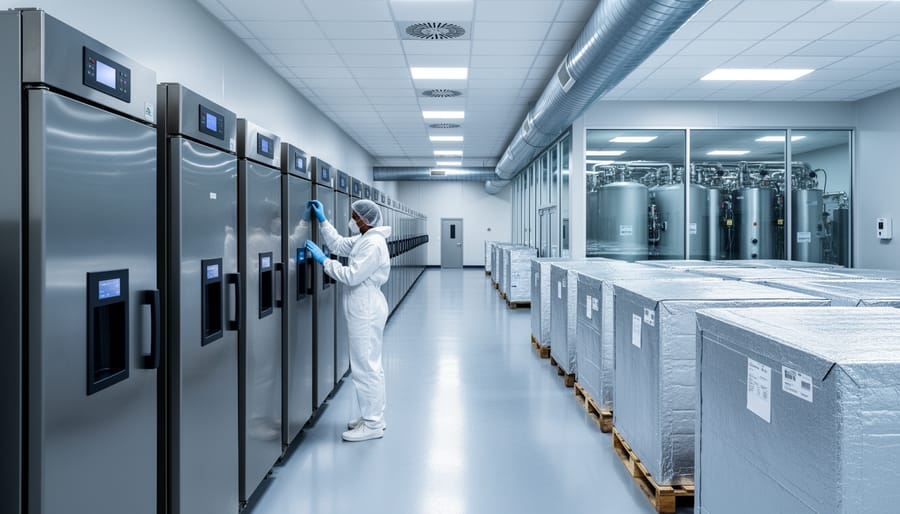
Precision environmental control is the defining standard for biotech warehouse rentals in Midrand. Temperature-regulated zones are mandatory for preserving the integrity of biologicals, ranging from tissue samples to cell-culture lines, each with its own tolerances. Deviations as small as two degrees Celsius can compromise sample viability or pharmaceutical potency. Warehouses designed for biomedical tenants employ modular refrigeration units and programmable logic controllers to keep bulk storage areas, cold rooms, and ultra-low freezers within validated temperature ranges, typically between -80°C and +8°C depending on material requirements.
Humidity presents a parallel challenge, especially for sensitive reagents and lyophilized compounds that degrade rapidly if exposed to excess moisture. Advanced HVAC systems with integrated dehumidification maintain steady relative humidity, often below 45 percent, mitigating risks of condensation and microbial contamination.
Continuous monitoring forms the backbone of regulatory compliance and scientific reproducibility. Cloud-linked sensors log data in real time, triggering alerts for any excursion and automating backup power or nitrogen-purge protocols to safeguard assets during load shedding or system faults. For genomic research, pharmaceutical logistics, or diagnostic biobanks, such infrastructure isn’t a luxury. It’s a core prerequisite for collaboration across clinical, academic, and industrial partners, ensuring that every sample, whether for immediate analysis or long-term archive, retains its validity for patient care and discovery.
Cleanroom Classifications and Contamination Prevention
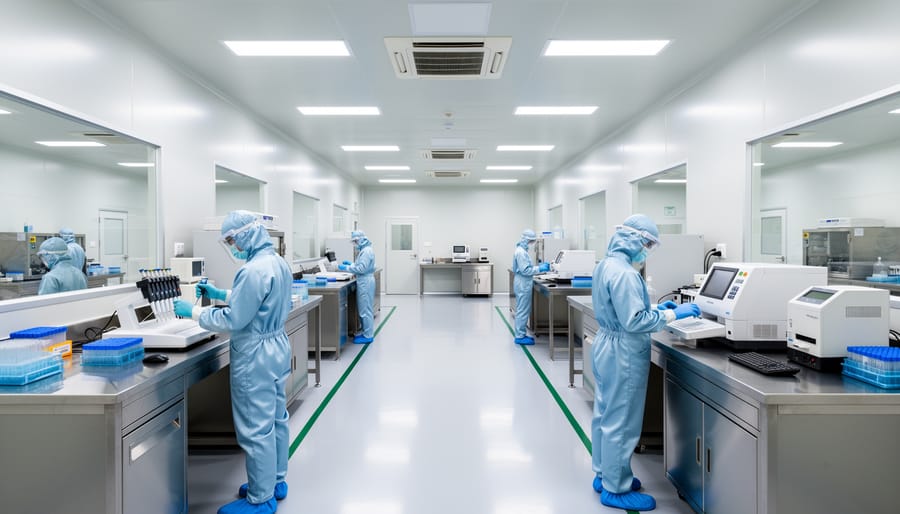
Biotech warehouse rentals in Midrand must meet rigorous contamination control standards to support the secure handling of genomic samples, reagents, and pharmaceutical compounds. ISO cleanroom classifications, formalized under the internationally recognized ISO 14644-1 standarddefine graded environments based on airborne particle concentrations, ranging from Class 1 (most stringent) to Class 9 (least). For genetic research and pharmaceutical processing, Class 7 or 8 is typically required, supplying a controlled atmosphere to preserve sample integrity and prevent cross-contamination.
Achieving these standards depends on advanced air filtration, predominantly via high-efficiency particulate air (HEPA) filters that remove at least 99.97 percent of particles 0.3 microns or larger. HVAC systems work in tandem with positive pressure differentials and strict zoning of personnel and materials, maintaining air cleanliness and directional flow. Essential contamination control protocols include continuous environmental monitoring, validated gowning procedures, and routine decontamination of contact surfaces. These technical measures foster collaborative, reproducible workflows and ethical stewardship in genomic and pharmaceutical operations, essentials for researchers and healthcare stakeholders evaluating warehouse facilities in Midrand.
Backup Power and System Redundancy
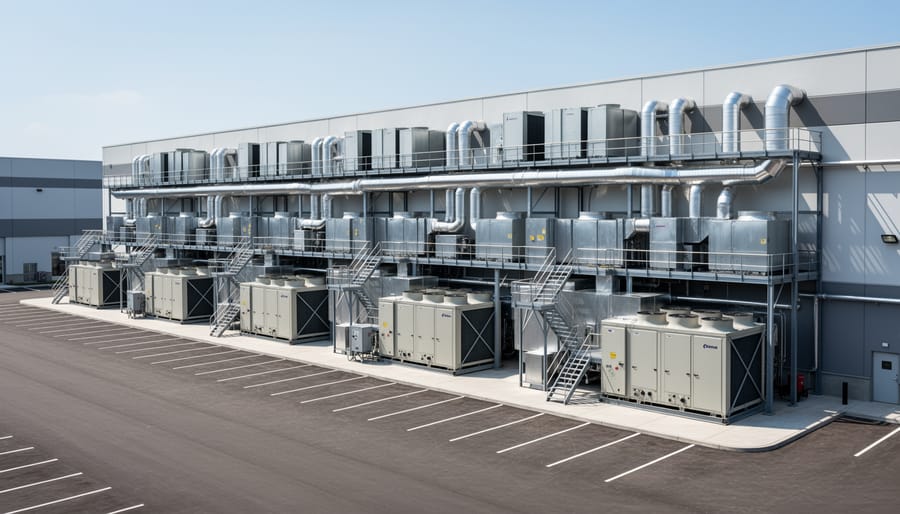
Stringent backup power provisions are essential for biotech warehouse rentals in Midrand. Interruptions to temperature, humidity, or air quality controls threaten the stability of critical biological materials and ongoing research. Uninterruptible power supply (UPS) systems provide immediate, short-term protection during grid fluctuations, covering the gap as generator backups activate. Diesel or gas generators with automatic transfer switches are typically specified, supporting continuous operation of cold storage, freezers, monitoring devices, and laboratory-grade HVAC. Facilities should demonstrate redundancy protocols, including periodic testing of all backup components and regular maintenance schedules. Layered systems allow for seamless transition between power sources and minimize risk to sensitive samples. Collaboration with warehouse management is essential to verify these protections in place, ensuring the safety of genomics assets and compliance with regulatory frameworks throughout prolonged outages.
Regulatory Compliance Considerations in Midrand Biotech Warehousing
Biosafety Level Requirements for Different Operations
Midrand’s warehouse landscape attracts genomics, clinical trial, and pharmaceutical stakeholders seeking precise environmental and security standards. Biosafety level requirements, defined internationally as BSL-1 through BSL-3, shape the core infrastructure of any biotech warehouse, setting parameters for containment, workflow, and risk management. These requirements dictate everything from room pressurization and HEPA filtration to personnel protocols.
BSL-1 spaces handle low-risk organisms, requiring only standard hygiene and access control. At this level, ample ventilation and basic handwashing suffice, but storage still demands clear segregation and chain-of-custody records. When biological material presents moderate individual risk, such as common human pathogens, BSL-2 applies. This classification calls for restricted access, controlled traffic patterns, biosafety cabinets, and enhanced decontamination procedures, key factors in warehouse design for handling or processing clinical samples and genetic materials, including long-term biological specimen storage.
BSL-3 environments raise the bar for respiratory containment, handling agents with a higher risk of aerosol transmission. Here, warehouses require negative air pressure, anterooms, self-closing doors, and rigorously trained personnel. Continuous air monitoring and validated waste disposal procedures become non-negotiable. Adherence to these biosafety level classifications isn’t just regulatory, these protocols underpin collaborative progress in healthcare and genomics by ensuring safety, compliance, and ethical stewardship of sensitive biological assets.
Pharmaceutical Storage and Good Distribution Practice (GDP)
For biotech and pharmaceutical organizations renting warehouse space in Midrand, adherence to Good Distribution Practice (GDP) is not optional, it’s foundational. GDP encompasses the entire chain of custody for pharmaceuticals, safeguarding product integrity from the point of arrival to onward distribution. Facilities aspiring to service genomics, clinical trial materials, and biologics must exceed standard warehousing through meticulously validated infrastructure, reliable environmental controls, and a comprehensive approach to quality management.
Central to GDP is thorough, traceable documentation at every step. Warehouses must implement data systems that log temperature, humidity, and access history, ensuring data cannot be tampered with. Validation protocols underpin every process: from temperature mapping of cold and ambient zones to periodic requalification of HVAC and monitoring equipment. Such processes are not bureaucratic hurdles, they are essential to protecting molecular stability, especially for biologics sensitive to minor fluctuations. Even transportation links demand rigor: validated shipping routes and secure handover processes minimize risk, facilitating regulatory audits and product recalls with confidence.
Quality management systems distinguish compliant facilities in Midrand’s biotech warehousing market. These systems must specify corrective actions, staff training plans, and procedures for deviation management, enabling collaboration with research partners and sponsors who require transparent, auditable chains of custody. The European Medicines Agency defines these expectations in its GDP compliance requirementswhich are increasingly recognized in international supply chains beyond Europe. As biotechnological innovation accelerates, investing in such rigorous distribution practices isn’t simply regulatory, it’s a matter of patient safety and scientific partnership.
Location-Specific Advantages of Midrand for Biotech Operations
Midrand occupies a rarefied position for biotech logistics, offering assets that go beyond the practical requisites of storage. Its geographic midpoint between Johannesburg and Pretoria creates a natural corridor, placing it within a 30-minute drive of academic leaders like the University of the Witwatersrand and University of Pretoria. This proximity promotes active interaction with top-tier molecular biology, genomics, and pharmaceutical research centres, removing common barriers to secure, timely biologics transfer and enabling rapid feedback between stored material and clinical or laboratory workflows. Such tight integration is increasingly critical for projects involving biobanking, time-sensitive preclinical trials, and distributed data-driven research collaboration.
Equally pivotal is the meticulously developed transport infrastructure, with arterial access to the Gautrain, major highways, and OR Tambo International Airport. This ensures reliable cold-chain logistics for temperature-sensitive reagents, DNA samples, and advanced therapies bound both for domestic clinics and international consortiums. Routine express shipments to regional healthcare centres throughout Gauteng remain possible, even during surges in hospital demand or unforeseen supply chain disruptions, a decisive advantage given the regulatory and ethical imperatives governing clinical specimens.
Midrand draws from a substantial talent pool uniquely suited to biotech warehousing. The technical workforce specializes in regulatory compliance, biosafety protocols, and GxP standards. This local expertise reduces training burden and maintains audit-readiness for facilities storing investigational products, gene therapy vectors, or patient-derived biospecimens. Importantly, the concentration of skilled professionals supports collaborative upskilling, sharing of best practices, and rapid adoption of emerging digital warehouse management systems designed for biotech workflows.
Finally, Midrand’s centrality strengthens relationships with the sprawling healthcare provider network spanning Gauteng. Hospitals, diagnostic labs, and clinical research organizations can establish same-day connections with storage facilities, smoothing the path for urgent clinical-grade material exchanges and decentralised clinical trials. For teams coordinating national or pan-African genetic research, this means less time lost to logistics and more time invested in scientific progress, underpinned by a forward-thinking infrastructure that’s ready for the complexities of personalized medicine and high-fidelity sample stewardship. The local model isn’t just practical; it’s essential for translating genomics and biopharma innovations into improved healthcare outcomes.
Cost Considerations and Budget Planning for Biotech Warehouse Rentals
Initial Setup Versus Turnkey Solutions
When establishing biotech operations in Midrand, organizations face a critical decision between retrofitting conventional warehouse space or securing pre-certified facilities. This choice profoundly impacts both capital allocation and operational timelines, particularly for research teams working within grant funding cycles or clinical trial schedules.
Retrofitting standard industrial space typically requires 6-12 months and substantial capital investment. Installing cleanroom infrastructure, HVAC systems with HEPA filtration, specialized electrical capacity for ultra-low temperature freezers, and security systems compliant with biosafety protocols demands coordinated engineering efforts. For a 500-square-meter facility, these modifications often exceed R2-3 million before equipment installation begins. Regulatory approvals from the South African Health Products Regulatory Authority and local environmental health departments add another 3-6 months to project timelines.
Pre-certified biotech facilities offer immediate operational capability at premium lease rates. These turnkey solutions provide validated cleanrooms, temperature-controlled storage zones, documented compliance systems, and often include shared laboratory support spaces. Monthly rental premiums typically run 40-60% above standard warehouse rates, but this differential becomes negligible when amortizing retrofit costs and factoring time-to-operation.
The decision hinges on organizational stability and research continuity requirements. Academic collaborations dependent on 2-3 year funding cycles may find turnkey facilities align better with grant timelines, avoiding the risk of funds expiring during construction delays. Conversely, established pharmaceutical operations with long-term genomics programs and predictable capital budgets often benefit from customized retrofit investments that deliver facilities precisely matched to their specimen banking and sample processing workflows.
Ongoing Operational Costs and Energy Efficiency
Operating genomics facilities in Midrand requires significant continuous investment beyond initial rental agreements. Environmental control systems represent the largest component of ongoing expenses, with precision HVAC units maintaining temperature stability within ±0.5°C consuming substantially more energy than conventional warehouse climate control. For a 1,000-square-meter biotech facility, monthly electricity costs typically range from R45,000 to R75,000, depending on the sophistication of required environmental parameters.
Monitoring systems add another layer of operational expenditure. Continuous surveillance of temperature, humidity, and pressure differentials requires dedicated infrastructure operating 24/7. Real-time data logging systems with cloud backup and automated alert protocols cost between R8,000 and R15,000 monthly for maintenance contracts and software subscriptions. These systems protect irreplaceable biological samples and research materials where even brief environmental deviations can compromise entire projects.
Energy-efficient infrastructure dramatically affects long-term financial viability. Facilities equipped with modern variable refrigerant flow systems, LED lighting with occupancy sensors, and superior building envelope insulation reduce operational costs by 25-35% compared to older installations. While base rental rates for energy-efficient warehouses may command a 12-15% premium, the investment typically achieves payback within 18-24 months through reduced utility expenses.
Backup power systems require ongoing maintenance budgets. Regular generator testing, fuel management, and UPS battery replacement schedules add R6,000 to R12,000 quarterly. However, these expenses pale compared to potential losses from equipment failure or sample degradation during power interruptions.
For research organizations and healthcare institutions planning multi-year operations, detailed energy audits during facility evaluation prove essential. Requesting historical utility data from prospective landlords provides concrete baseline projections, enabling accurate budget forecasting for grant applications and operational planning.
Evaluating Warehouse Providers and Lease Negotiations
Selecting a warehouse partner for biotech operations requires rigorous assessment beyond standard commercial real estate considerations. The consequences of inadequate facilities extend far beyond operational inefficiencies, potentially compromising research integrity, regulatory compliance, and valuable biological materials worth substantial investment. Healthcare organizations and genomics laboratories must approach provider evaluation with the same scrutiny applied to laboratory partner selection.
Begin your evaluation by investigating the landlord’s track record with specialized tenants. Property owners experienced in pharmaceutical or biotech leasing understand the non-negotiable nature of environmental controls, power redundancy, and regulatory documentation. They recognize that a biotech tenant cannot simply accept “reasonable efforts” for temperature maintenance or backup power. Request references from current or former life sciences tenants and verify the provider’s responsiveness during critical system failures.
A systematic due diligence process ensures comprehensive evaluation of facility capabilities and partnership viability:
- Verify existing certifications and compliance history. Request documentation of temperature mapping studies, validation protocols for controlled environments, and records of regulatory inspections if previous biotech tenants occupied the space.
- Assess infrastructure capacity for expansion. Examine electrical panel capacity, HVAC system scalability, and structural load ratings to accommodate future equipment additions without requiring disruptive upgrades.
- Review emergency response protocols. Evaluate backup power testing schedules, alarm notification systems, and documented procedures for equipment failures affecting sample integrity.
- Confirm maintenance and technical support availability. Clarify response times for critical systems, after-hours support arrangements, and whether specialized biotech equipment servicing is included or must be independently contracted.
- Negotiate modification and improvement clauses. Establish tenant rights to install specialized equipment, modify environmental systems, and implement security enhancements without excessive approval delays.
Lease negotiations for biotech facilities require provisions rarely encountered in conventional warehousing agreements. Modification rights deserve particular attention. Standard leases often restrict alterations or require landlord approval that can delay critical installations. Negotiate explicit rights to install monitoring systems, upgrade environmental controls, and implement validation protocols. Specify which improvements become landlord property versus removable tenant equipment.
The flexibility provisions matter significantly for research operations. Clinical trial timelines shift, grant funding arrives unpredictably, and collaborations with healthcare institutions create variable space requirements. Negotiate expansion options, subleasing rights to compatible biotech partners, and early termination clauses tied to research program changes. Some landlords offer phased occupancy arrangements allowing organizations to activate additional space as programs scale.
Consider engaging legal counsel experienced in life sciences facility agreements. The specialized requirements of biotech warehousing create unique liability considerations, particularly regarding responsibility for sample losses during infrastructure failures or temperature excursions.
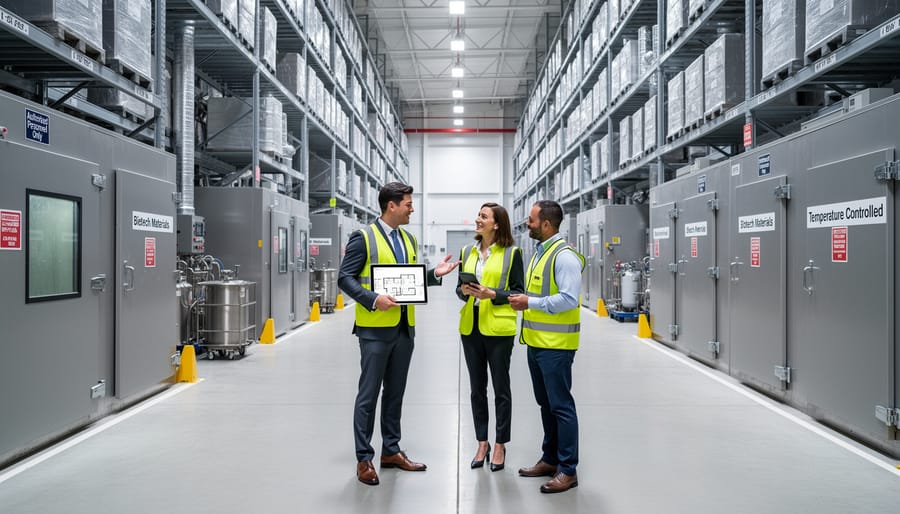
Selecting warehouse space for biotech operations in Midrand represents far more than a real estate transaction. The infrastructure you choose becomes the physical foundation for research integrity and regulatory compliance. Temperature-controlled storage systems that maintain precise environmental conditions protect valuable biological samples and reagents. Cleanroom facilities prevent contamination that could compromise years of research. Advanced security protocols safeguard proprietary compounds and sensitive genetic materials.
The Gauteng Innovation Hub corridor positions Midrand as South Africa’s premier biotech cluster, where proximity to research institutions and healthcare facilities enables meaningful collaboration. Shared access to specialized equipment reduces capital expenditure while accelerating project timelines. This geographic concentration of expertise creates opportunities for partnerships that would be logistically impractical in isolated locations.
Regulatory compliance cannot be retrofitted. Facilities designed with Good Manufacturing Practice standards, validated HVAC systems, and documented environmental monitoring from the outset prevent costly remediation later. The South African Health Products Regulatory Authority maintains stringent oversight of pharmaceutical and diagnostic operations, making purpose-built infrastructure essential rather than optional.
As genomic medicine advances and personalized therapies transition from research to clinical application, demand for specialized biotech warehousing will intensify. The decisions you make today about facility selection directly influence your organization’s capacity to scale operations, maintain accreditation, and contribute to healthcare innovation. Infrastructure that supports both rigorous scientific standards and collaborative engagement positions biotech ventures for sustainable growth within South Africa’s evolving research ecosystem.