

Methicillin-resistant Staphylococcus aureus (MRSA) is a bacterial pathogen whose resistance to beta-lactam antibiotics stems from the acquisition of the mecA gene, which encodes an altered penicillin-binding protein that prevents conventional antimicrobial therapy from disrupting cell wall synthesis. This genetic mechanism, combined with the pathogen’s capacity to acquire additional resistance determinants through horizontal gene transfer, has positioned MRSA as a persistent challenge in both healthcare and community settings. Recent Canadian surveillance data from 88 sentinel acute care hospitals reveals a troubling shift: between 2017 and 2021, MRSA bloodstream infections increased by 35%, climbing from 0.84 to 1.13 infections per 10,000 patient-days. What makes this trend particularly significant is that the rise was driven almost entirely by community-associated cases, which surged by 80%, while healthcare-associated infections remained stable.
This epidemiological evolution demands a recalibration of how we approach MRSA surveillance and control. The traditional focus on hospital-acquired infections no longer captures the full picture. Community-associated MRSA strains often carry distinct genetic markers, including the Panton-Valentine leukocidin toxin gene, and exhibit different antibiotic susceptibility profiles compared to their healthcare-associated counterparts. Laboratory testing remains the definitive diagnostic approach, as clinical presentation alone cannot distinguish MRSA from methicillin-susceptible strains. Current infection prevention guidelines, including those from the BC Centre for Disease Control, recommend against routine carrier screening except in cases of recurrent S. aureus infection, emphasizing instead the implementation of rigorous infection control practices.
Genomic surveillance has become central to understanding strain evolution, transmission networks, and resistance mechanisms. Whole-genome sequencing enables real-time tracking of outbreak clusters, identification of emerging resistance genes, and assessment of virulence factors that influence clinical outcomes. For researchers and healthcare professionals, integrating genomic data with epidemiological surveillance provides the foundation for evidence-based interventions that can adapt to the shifting landscape of MRSA infection.
The Genetic Architecture of Methicillin Resistance
SCCmec Typing and Strain Variation
SCCmec elements are classified into types I through XV based on their genetic structure, with types I, II, and III historically associated with healthcare settings, while types IV and V predominate in community-acquired infections. This classification reflects fundamental differences in the genetic architecture of these mobile elements: healthcare-associated types typically carry larger SCCmec cassettes (>30 kb) that harbor multiple antibiotic resistance genes beyond mecA, conferring resistance to several drug classes. In contrast, community-associated strains usually contain smaller, more mobile type IV or V SCCmec elements (20-28 kb) that encode primarily methicillin resistance, facilitating more efficient horizontal transfer between bacterial populations.
The epidemiological significance of this typing system became evident through genomic surveillance, which revealed distinct transmission patterns between healthcare and community settings. Type II SCCmec strains, for instance, correlate with hospital-onset infections and persist in healthcare environments where selective pressure from broad-spectrum antibiotic use maintains multidrug-resistant clones. Type IV strains, conversely, demonstrate enhanced fitness in community settings due to their smaller genetic burden, allowing more rapid replication and person-to-person transmission outside clinical environments. Recent Canadian surveillance data from 88 sentinel acute care hospitals documented an 80% increase in community-associated MRSA bloodstream infections between 2017 and 2021, while healthcare-associated cases remained stable, a shift consistent with the expansion of type IV and V strains into populations previously unaffected by hospital-adapted clones. Understanding these type-specific transmission dynamics enables more precise genomic surveillance strategies and targeted infection control interventions tailored to strain characteristics.
Current Epidemiological Trends: The Shift to Community-Associated MRSA

Recent surveillance data from Canadian acute care hospitals reveals a striking epidemiological shift in MRSA bloodstream infections that carries profound implications for genomic surveillance and infection control strategies. Between 2017 and 2021, data collected from 88 sentinel hospitals documented a 35% overall increase in MRSA bloodstream infection rates, rising from 0.84 to 1.13 infections per 10,000 patient-days. However, this aggregate figure obscures a more significant pattern: the increase was driven almost entirely by an 80% surge in community-associated MRSA cases, while healthcare-associated infection rates remained essentially stable throughout the period.
| Period | Healthcare-Associated Rate | Community-Associated Rate | Overall Rate |
|---|---|---|---|
| 2017 (baseline) | Stable | Baseline | 0.84 per 10,000 patient-days |
| 2021 (end of study) | Stable (minimal change) | +80% increase | 1.13 per 10,000 patient-days |
| Overall trend | No significant increase | Dominant driver of rise | +35% overall increase |
This shift represents a fundamental change in the ecology of MRSA transmission. Whereas healthcare settings once served as the primary reservoir for methicillin-resistant strains, the Canadian MRSA surveillance rise demonstrates that community environments now constitute an increasingly significant source of resistant infections requiring hospital care. The stability of healthcare-associated rates suggests that existing infection prevention protocols remain effective within institutional settings, but the community surge indicates that resistant strains bearing different SCCmec types and virulence factors are circulating more widely in the general population.
For genomic surveillance strategies, this epidemiological evolution demands a recalibration of monitoring priorities. Traditional hospital-focused surveillance systems capture only patients who present for care, missing the community transmission networks that precede hospital admission. Whole-genome sequencing of both healthcare-associated and community-associated isolates becomes essential to map transmission chains, identify emerging strain lineages, and distinguish true nosocomial transmission from community-acquired infections that manifest during hospitalization. The genetic differences between community-associated strains, often carrying SCCmec type IV or V elements with enhanced transmissibility, and healthcare-associated strains require molecular surveillance systems capable of tracking both populations simultaneously to understand resistance evolution in real time.
Genomic Surveillance and Diagnostic Approaches
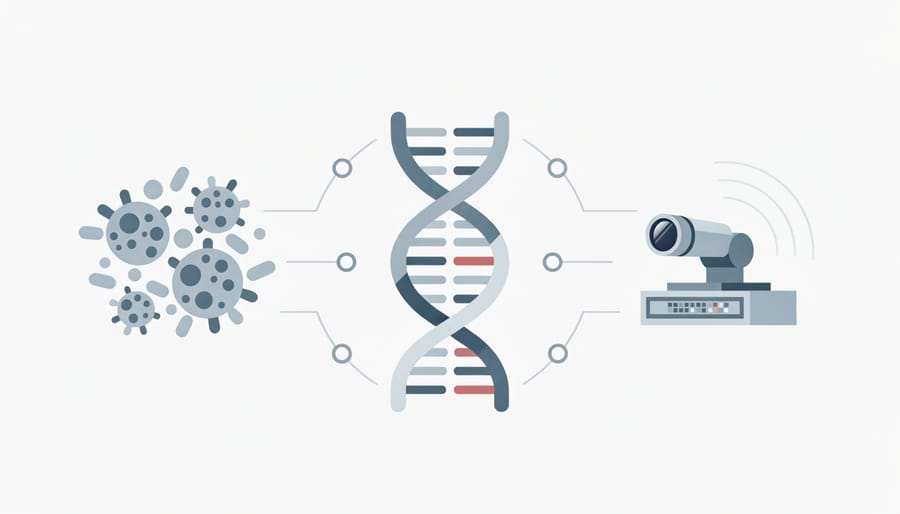
The Role of Whole-Genome Sequencing in Outbreak Investigation
Whole-genome sequencing transforms outbreak investigation by providing single-nucleotide resolution to distinguish between true transmission events and coincidental infections with circulating strains. When multiple MRSA cases cluster in time or location within a hospital, WGS can determine whether isolates share recent common ancestry, typically differing by fewer than 10 to 20 single-nucleotide polymorphisms, or represent independent introductions from community reservoirs. This precision enables infection control teams to identify unsuspected transmission chains, pinpoint the index case, and trace contacts who may require screening or enhanced precautions.
The application of computational genomics allows rapid phylogenetic analysis that reconstructs transmission networks, revealing whether spread follows patient-to-patient contact, shared healthcare workers, or environmental contamination. During investigations in Canadian acute care hospitals, WGS has differentiated between persistent endemic strains and newly introduced clones, guiding targeted interventions rather than blanket screening policies. For example, identifying a genetically distinct cluster prompts investigation of specific wards, devices, or procedures, while genetically diverse isolates suggest multiple sources requiring broader infection prevention measures.
Integration of WGS data with epidemiological metadata, admission dates, ward movements, procedure histories, strengthens causal inference about transmission routes. This combined approach has proven essential as community-associated MRSA increasingly enters healthcare settings, where distinguishing imported cases from hospital-acquired transmission determines the scope and intensity of control measures. WGS thus shifts outbreak response from reactive containment to proactive, evidence-based intervention targeted at confirmed transmission pathways.
Prevention and Control Strategies: Evidence-Based Guidelines
Effective MRSA prevention requires a layered approach that balances rigorous infection control protocols with evidence-informed screening policies. The BC Centre for Disease Control recommends against routine active surveillance for MRSA carriers in most settings, advocating MRSA screening only for recurrence in individuals with repeated S. aureus infections. This targeted strategy reflects the practical reality that colonization without infection seldom warrants intervention, and that resources are better directed toward universal precautions and hospital infection control measures proven to interrupt transmission.
Core prevention practices form the foundation of MRSA control:
- Hand hygiene before and after patient contact, using soap and water or alcohol-based sanitizers
- Contact precautions for infected patients, including gowns and gloves during care activities
- Environmental decontamination of high-touch surfaces and shared equipment
- Wound care protocols that maintain dressing integrity and limit pathogen shedding
- Antimicrobial stewardship to reduce selective pressure driving resistance evolution
Genomic surveillance data increasingly informs which control measures to prioritize. The 80 percent rise in community-associated MRSA bloodstream infections across Canadian acute care hospitals from 2017 through 2021 signals that traditional hospital-focused interventions alone cannot address the shifting epidemiology. Whole-genome sequencing of outbreak strains reveals transmission networks extending beyond healthcare facilities, demonstrating that community reservoirs now drive a substantial portion of hospital admissions. This genomic intelligence directs enhanced healthcare provider training on recognizing community-associated strains, which often present in younger patients without typical healthcare exposure and require adjusted screening thresholds. By linking genetic strain data to infection control outcomes, healthcare systems can refine screening criteria, deploy contact precautions more selectively, and allocate decolonization interventions where genomic evidence confirms transmission risk rather than applying blanket policies that yield diminishing returns.
Genomic Medicine Applications: From Resistance Prediction to Targeted Therapy

Genomic Medicine is transforming how clinicians approach MRSA infections, shifting from empirical treatment protocols to precision interventions guided by genetic data. Rapid resistance profiling through molecular diagnostics now enables targeted antibiotic selection within hours rather than days, reducing the window during which patients receive suboptimal therapy. PCR-based assays detect mecA and mecC genes directly from clinical specimens, providing immediate confirmation of methicillin resistance and informing front-line treatment decisions before culture results become available.
Whole-genome sequencing extends this capability by revealing the complete resistance architecture of individual strains. Beyond identifying known resistance genes, sequencing detects emerging mutations in regulatory elements that modulate virulence and antibiotic susceptibility. This comprehensive genetic profile allows clinicians to predict resistance to multiple antibiotic classes simultaneously, guiding selection of combination therapies most likely to succeed against a specific isolate. In outbreak settings, genomic data clarifies transmission pathways and identifies patients carrying closely related strains who may benefit from enhanced infection control measures.
Machine learning algorithms are accelerating the translation of genomic data into clinical action. These models integrate resistance gene profiles with patient-specific factors and treatment outcomes to generate personalized therapy recommendations. Early applications have demonstrated improved prediction of treatment failure compared to standard susceptibility testing alone, particularly for complex infections where multiple resistance mechanisms interact.
Novel therapeutic development increasingly targets genetic vulnerabilities specific to resistant strains. Researchers are designing compounds that inhibit SCCmec recombination machinery, potentially reversing resistance by blocking horizontal gene transfer mechanisms. Other approaches exploit metabolic dependencies created by resistance gene expression, developing drugs that selectively kill MRSA while sparing susceptible bacteria. Phage therapy programs use genomic screening to match bacteriophages with specific MRSA genotypes, creating strain-specific antimicrobial cocktails.
The integration of genomic surveillance data into clinical workflows enables real-time resistance monitoring across healthcare networks. Hospitals sharing sequence data can track emerging resistance patterns regionally, adjusting empirical treatment guidelines as genetic epidemiology shifts. This collaborative infrastructure supports rapid response to new resistance mechanisms while building the evidence base for genomically-guided MRSA management protocols.
Collaborative Research Priorities and Future Directions
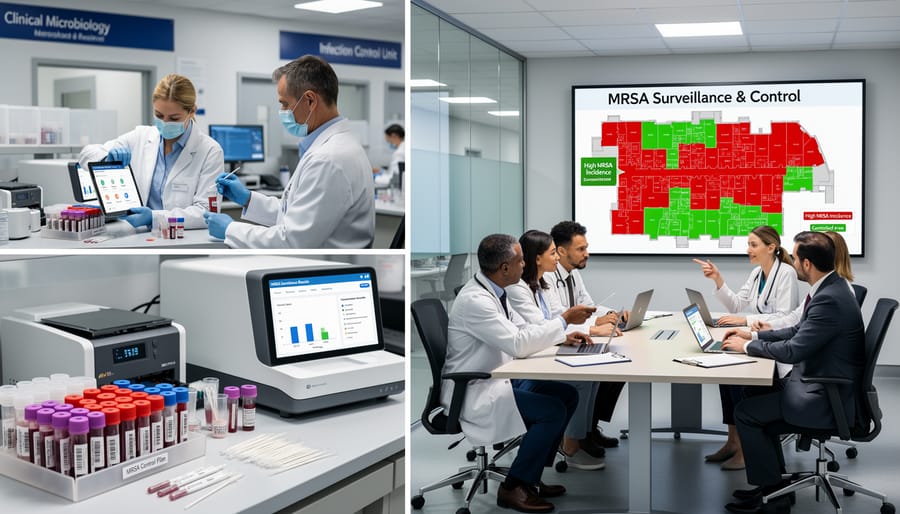
The evolving landscape of MRSA presents several critical research priorities that require coordinated, interdisciplinary efforts. The 80% increase in community-associated MRSA bloodstream infections observed in Canadian surveillance data from 2017 to 2021, while healthcare-associated cases remained stable, underscores an urgent need to understand the epidemiological and genetic drivers behind this shift. Identifying why certain community-associated strains are succeeding where others decline demands investigation into host-pathogen interactions, transmission networks, and environmental factors that enable these strains to establish and spread outside traditional healthcare settings.
Developing predictive models for resistance evolution represents another frontier. Current genomic surveillance captures snapshots of circulating strains, but forecasting which genetic variants will emerge and proliferate requires integrating evolutionary biology, population genetics, and epidemiological modeling. Machine learning approaches applied to whole-genome sequencing data may reveal signatures of adaptive evolution, enabling earlier detection of strains likely to acquire additional resistance determinants or enhanced virulence. Such predictive capacity would transform reactive surveillance into proactive intervention.
Integrating genomic surveillance into routine public health infrastructure remains a practical challenge despite technological advances. Real-time sequencing during outbreaks has proven valuable, yet most jurisdictions lack the resources, standardized protocols, and bioinformatics capacity for sustained genomic monitoring. Collaborative efforts must address data sharing frameworks, interoperability of sequencing platforms, and workforce training to make genomic epidemiology accessible beyond specialized research centers. The 88 Canadian hospitals contributing to national surveillance demonstrate the potential for coordinated data collection when systems align.
Understanding the genetic basis for tissue tropism and infection outcomes represents another gap. Why specific SCCmec types preferentially cause particular infection types, or why certain patients develop severe disease while others remain asymptomatic carriers, requires integrating host genomics with pathogen characterization. Collaborative research linking clinical outcomes, host immune profiles, and pathogen genotypes could identify biomarkers for risk stratification and personalized treatment approaches, moving beyond one-size-fits-all empiric therapy toward precision interventions guided by both microbial and human genetic data.
Frequently Asked Questions About MRSA
How is MRSA definitively diagnosed?
Laboratory testing is the only way to confirm MRSA as the cause of an infection. Culture-based methods isolate the organism and test for methicillin resistance, while molecular diagnostics such as PCR detect resistance genes directly, and whole-genome sequencing enables precise strain characterization for outbreak investigations.
Why are community-associated MRSA bloodstream infections increasing?
Canadian surveillance data from 88 acute care hospitals showed an 80% increase in community-associated MRSA bloodstream infections between 2017 and 2021, while healthcare-associated cases remained stable. The genetic and epidemiological drivers of this shift remain under investigation, though community-associated strains carry distinct SCCmec types that may confer transmission advantages outside hospital settings.
When is screening for MRSA carriage recommended?
The BC Centre for Disease Control recommends against active screening for carriers in most circumstances, with the exception of individuals experiencing recurrent Staphylococcus aureus infections. Routine surveillance is not supported by current evidence for infection prevention.
How does genomic surveillance improve MRSA management outcomes?
Whole-genome sequencing enables high-resolution tracking of transmission chains, rapid resistance profiling to guide treatment selection, and identification of genetic markers that predict virulence and outbreak potential. These capabilities inform targeted infection control interventions and allow healthcare teams to distinguish true transmission events from unrelated acquisitions.
Understanding these fundamental questions helps healthcare professionals and researchers navigate the evolving landscape of MRSA management. The integration of genomic approaches with clinical practice requires ongoing dialogue between laboratory scientists, infectious disease specialists, infection control practitioners, and public health authorities. As molecular diagnostics become more accessible and whole-genome sequencing moves closer to real-time application, the answers to these questions will continue to evolve, guided by collaborative research efforts and emerging evidence. The ethical dimensions of genomic research in MRSA include ensuring equitable access to advanced diagnostics, protecting patient privacy in transmission investigations, and translating genomic insights into interventions that benefit diverse communities affected by rising community-associated infection rates.
The convergence of genomic science and antimicrobial resistance surveillance has fundamentally reshaped our understanding of MRSA as a dynamic, evolving pathogen rather than a static clinical challenge. The molecular architecture underlying methicillin resistance, anchored in the mecA and mecC genes within mobile SCCmec elements, demonstrates how horizontal gene transfer enables rapid adaptation across diverse bacterial populations. This genetic plasticity, combined with surveillance data from 88 Canadian sentinel hospitals showing a 35% increase in MRSA bloodstream infections from 2017 through 2021, underscores the urgency of integrating genomic approaches into public health infrastructure.
The 80% rise in community-associated MRSA cases during this period, while healthcare-associated infections remained stable, signals a fundamental epidemiological shift that demands rethinking traditional hospital-centric control strategies. Whole-genome sequencing now provides the resolution necessary to map transmission networks, predict resistance phenotypes, and identify emerging strain variants before they become established threats. Yet technology alone cannot address this challenge. Progress requires interdisciplinary collaboration linking clinical microbiologists, genomic researchers, infection control practitioners, and public health authorities in coordinated surveillance networks.
The path forward lies in translating genomic insights into actionable interventions, from rapid diagnostic platforms that guide targeted therapy to predictive models that anticipate resistance evolution. As MRSA continues to adapt, our response must evolve in parallel, leveraging genetic science not merely to understand resistance mechanisms but to disrupt them through precision medicine approaches tailored to the genetic vulnerabilities of specific strains.